When children face academic pressure
KIDS
Halina Nguyễn
5/24/20263 min read
Content
The conceptual swap: equating "grades" with "self-worth"
When psychological pressure suffocates physical health
The cycle of evasion and opposition
What should adults do to "untie" children?
During my years working in education and directly supporting students needing special intervention, I have witnessed many young eyes lose their innocence, replaced by anxiety, stress, and even fear. Many parents come to me with a burning question: "Why are my child's grades declining despite attending so many extra tutoring classes?"
The answer, for the most part, does not lie in the child's cognitive ability, but in an invisible boulder called: the pressure of grades.
Grades were originally created as a metric to evaluate the process of acquiring knowledge. But since when did these numbers become a measure of a person's worth? In today's article, we will dissect the deep psychological lens of children when bearing the burden of achievement pressure, thereby learning how to accompany them properly.
1. The conceptual swap: Equating "grades" with "self-worth"
From the perspective of child psychology, early childhood and adolescence are the stages where the "ego" is being formed and shaped. Children view themselves through a reflective lens from their primary caregivers (parents, teachers).
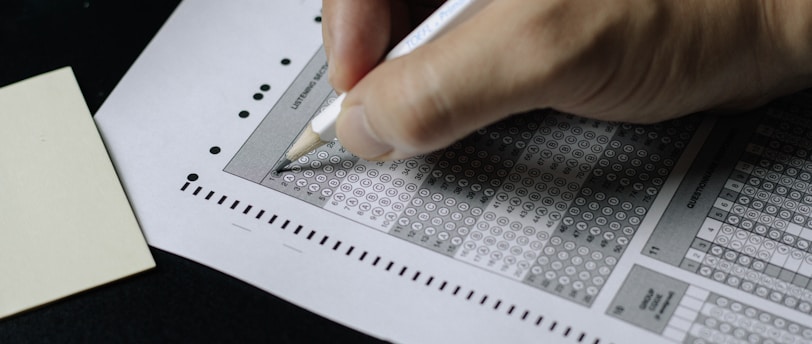
When adults show extreme joy at a 9 or 10, and frown, utter reproaches, or sigh at a 5 or 6, a child's brain automatically establishes a dangerous link: "I am only loved and valuable when I get high grades."
At this point, a grade is no longer the result of a math or literature test. It becomes a condition for love. Children do not fear bad grades because of the number itself; they fear them because of humanity's deepest fear: the fear of being abandoned, the fear of emotional rejection, and the fear of disappointing the people they love most. A child's effort at this time does not stem from the joy of discovering knowledge, but from a psychological defense mechanism for survival.
2. When psychological pressure suffocates physical health
As someone who studies both educational psychology and Eastern medicine, I always view the body and mind as an inseparable unity. Psychological unrest will inevitably lead to physical consequences.
When a child constantly lives in fear of grades, the amygdala in the brain is always on red alert, continuously releasing the stress hormone cortisol. This chronic stress condition, from the perspective of traditional medicine, is the cause of qi stagnation (energy being blocked, unable to circulate).
The physical manifestations in children are very clear:
Digestive system on strike: Children frequently complain of stomachaches or nausea before every exam or every morning before going to school (psychology directly affects the spleen and stomach).
Sleep disorders: Difficulty falling asleep, frequent startling, teeth grinding during sleep, or staying up all night due to anxiety.
Exhausted energy: Body fatigue, hunched shoulders, avoidant eye contact, and lack of vitality despite having no underlying medical conditions.
A body straining to fight stress cannot possibly open up to absorb new knowledge effectively.
3. The cycle of evasion and opposition
When the pressure exceeds the threshold of tolerance, a child's psychology automatically triggers defense mechanisms. From an educational perspective, I often observe two main reactive trends:
Flight tendency (Withdrawal): Children become insecure, believing they are truly "stupid" and "useless." They tend to hide test papers, lie about grades, or abandon homework due to the mindset of "I'll do it wrong anyway, better not do it at all."
Fight tendency (Opposition): Commonly seen in children entering puberty. They rebel by refusing to study, intentionally violating rules, or showing a defiant attitude. This is actually a distorted cry for help from an ego trying to protect its autonomy from excessive adult control.
4. What should adults do to "untie" children?
Accompanying children has never been an easy task; it requires patience and sometimes the "repair" of the psychology of the parents and teachers themselves.
Separate the person from the behavior (result): Let the child clearly understand: "This 4/10 means you haven't mastered fractions yet, not that you are a poor student. I am here to help you figure out what's holding you back."
Praise the process, not the innate talent: Instead of saying, "You are so smart, you got a 10," say, "I see you have been very focused and worked hard all week, and this result is completely worthy of your diligence." This helps children develop a growth mindset, believing that effort brings results, rather than clinging to "innate intelligence."
Accept individual developmental paces: In my intervention classes, I always keep in mind that every child is a seed with a different germination time. Some excel in logical thinking, some are sensitive to language, and others are outstanding in art or empathy. Forcing a fish to climb a tree will only make it live its whole life believing it is stupid.
Conclusion
Education, after all, is not the filling of an empty pail, but the lighting of a fire. Do not let the pressure of grades extinguish a child's natural curiosity and joy of learning. A mentally healthy child, who appreciates their own intrinsic value, will naturally find a way to shine on the path of education as well as in the school of life.
Give them time, understanding, and unconditional love!